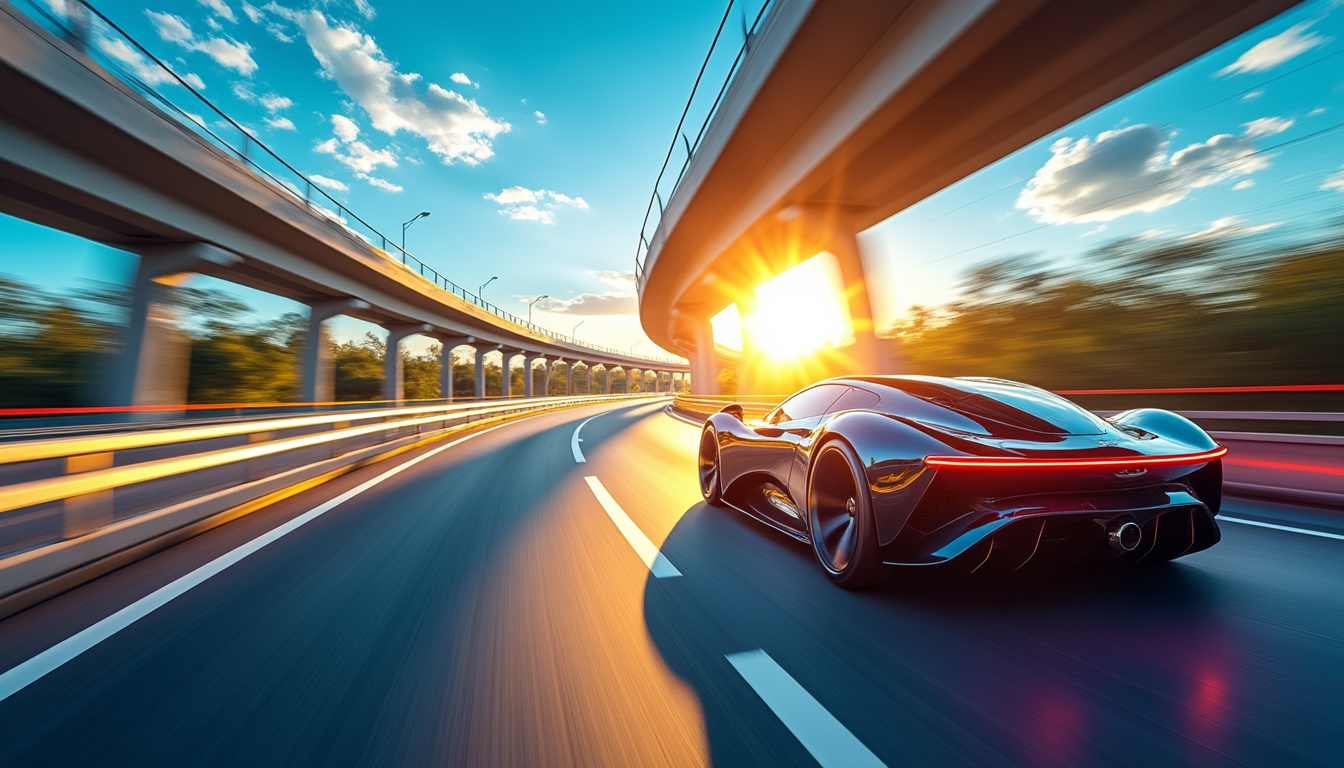
On this highway, artificial intelligence will determine speed limits, reaching up to 150 km/h.
Traffic management is evolving at a dizzying pace thanks to technological advances. Imagine a highway in Catalonia where artificial intelligence adjusts speed limits based on weather and traffic conditions. This is exactly what’s taking shape on the AP-7, between Maçanet de La Selva and El Vendrell. Authorities have unveiled a promising project aimed at improving road safety and smoothing traffic flow. Catalan Minister of the Interior and Public Security Núria Parlon highlighted this bold initiative, which could transform the way we drive.
This breakthrough involves a predictive artificial intelligence system that will allow certain drivers to accelerate when conditions permit, or, conversely, to adopt a more cautious driving style. The result is a significant improvement in road safety. Currently, the maximum speed limit is 120 km/h, but in the near future, this limit could be raised to 150 km/h when circumstances are favorable. However, there is always the option of reducing the speed to 100 km/h in the event of bad weather or congestion, a system that will be displayed on large-scale electronic signs. This innovation could well signal the beginning of a new era in traffic management.
Real-time speed optimization with AI technology on the motorway
The artificial intelligence project on the AP-7 is not just a simple update of speed limits, but a true revolution in Catalan road infrastructure. Dynamic traffic management is now within reach thanks to new technologies such as SafetySpeed and FastTrack AI, which enable real-time monitoring. A variable speed system already in place: the evolution towards IntelliRoute Catalonia is no stranger to variable speed restrictions. Indeed, since 2009, a variable speed system, known as SmartPace, has been implemented on certain motorways. However, the full integration of artificial intelligence into the decision-making process marks a first. Drivers are already accustomed to changing their speed, but with this new approach, the system will take the reins to activate these changes. This is another step towards IntelliRoute, a futuristic concept for a smart motorway. Variable speed limits depending on the weather. Dynamic display of data via electronic signs.
Anticipation of emergency situations and rapid adaptation.
This advancement not only ensures that cars travel at the correct speed; it also involves a proactive approach to preventing accident risks. Drivers will enjoy more relaxed driving, knowing that the system is attentive to their safety. This would promote the development of a more environmentally friendly road ecosystem by reducing traffic congestion and optimizing traffic flow. A Technical Overview of AI Speed and Its Applications on the RoadTo fully understand the impact of this initiative, it is important to delve into the technical details ofAI Speed. This system relies on advanced algorithms that continuously analyze data from the road environment. Using sophisticated sensors, it evaluates several factors such as:
- Factor
- Description
- Weather
Climate conditions that can affect road safety.
Traffic
Traffic density measured in real time to adapt speed.Road ConditionAnalysis of road conditions (e.g., debris, roadworks).
| This dataset allows AI to suggest speed adjustments in real time, thus optimizing traffic management. Researchers and engineers are already envisioning Route 150 roads, where speed would be intelligently regulated. Who would have thought that one day our cars would be able to adapt their speed autonomously, much like an AI Autopilot? | The Benefits and Challenges of Introducing Artificial Intelligence on the Highway |
|---|---|
| It is clear that implementing such technologies offers real benefits. However, it also raises concerns and challenges, both technical and ethical. | The Benefits of the AI Variable Speed System |
| Increased safety: | Reduced accidents thanks to smarter speed regulation. |
| Flower Flow: | Reduced traffic congestion thanks to dynamic adjustments. |
Fuel Savings: Speed regulation can reduce energy consumption. These benefits illustrate how integrating AI can transform our highways. We can even imagine improving the entire driving experience. Imagine a journey where we no longer even think about checking our speed; adjustments are made almost by magic.The Challenges of Such Integration Such an ambitious development also comes with its share of challenges: Data reliability:
Sensors must be accurate and constantly up-to-date to avoid any mishaps.
Implementation cost:
Deploying these technologies represents a considerable investment.
- Ethical issues: How can we ensure that AI makes the right decisions without introducing bias?
- These obstacles should not be underestimated. As technological innovation advances by leaps and bounds, it is crucial to ensure that the funds invested truly benefit road users, thus ensuring both safety and efficiency. User Opinions and Future Outlook for Speed Control Technologies
- Now, what do drivers think of this futuristic transformation? Opinions are divided. Many drivers are excited by the idea of a FastTrack AI that could reconceptualize their driving style. However, some express reservations, concerned about the issue of technology dependency. Favorable Reactions to Regulation Innovations
Simplified Driving:
Many believe that driving will become more enjoyable without the constant worry of speed limits.
Confidence in Technology:
- Users are often confident in AI safety innovations. Safer Roads:
- Optimizing speed could significantly reduce accidents. Skepticism and Apprehension
- Technology Dependence: Some drivers fear a loss of driving skills. Data Privacy:
Concerns about the collection and use of personal data also arise.
System Disruption:
What will happen if the AI system fails? This conversation is essential as we move toward a future where artificial intelligence plays a major role in our daily lives. Acceptance and successful integration of the technology will require educating all users and creating an open dialogue around the issues surrounding it. Toward a Smart Future: The Promise of AI Highways
Ultimately, the project to implement AI-powered speed control on the AP-7 is more than just a technical improvement. It represents a shift toward more efficient, safe, and sustainable road management. As environmental and societal demands continue to evolve, this system could well be the answer to the challenges we face.
- Imagine a world where highways are not just transportation routes, but also intelligent, interconnected corridors that adapt to the needs of each individual. Technology, when implemented carefully, is a powerful tool for transforming our lifestyles. There’s no doubt that the future of driving will be redefined by innovative systems like AutoPilot AI and SpeedTech, which promise to make the road safer and more enjoyable.
Catégories : Non classé
Tags :