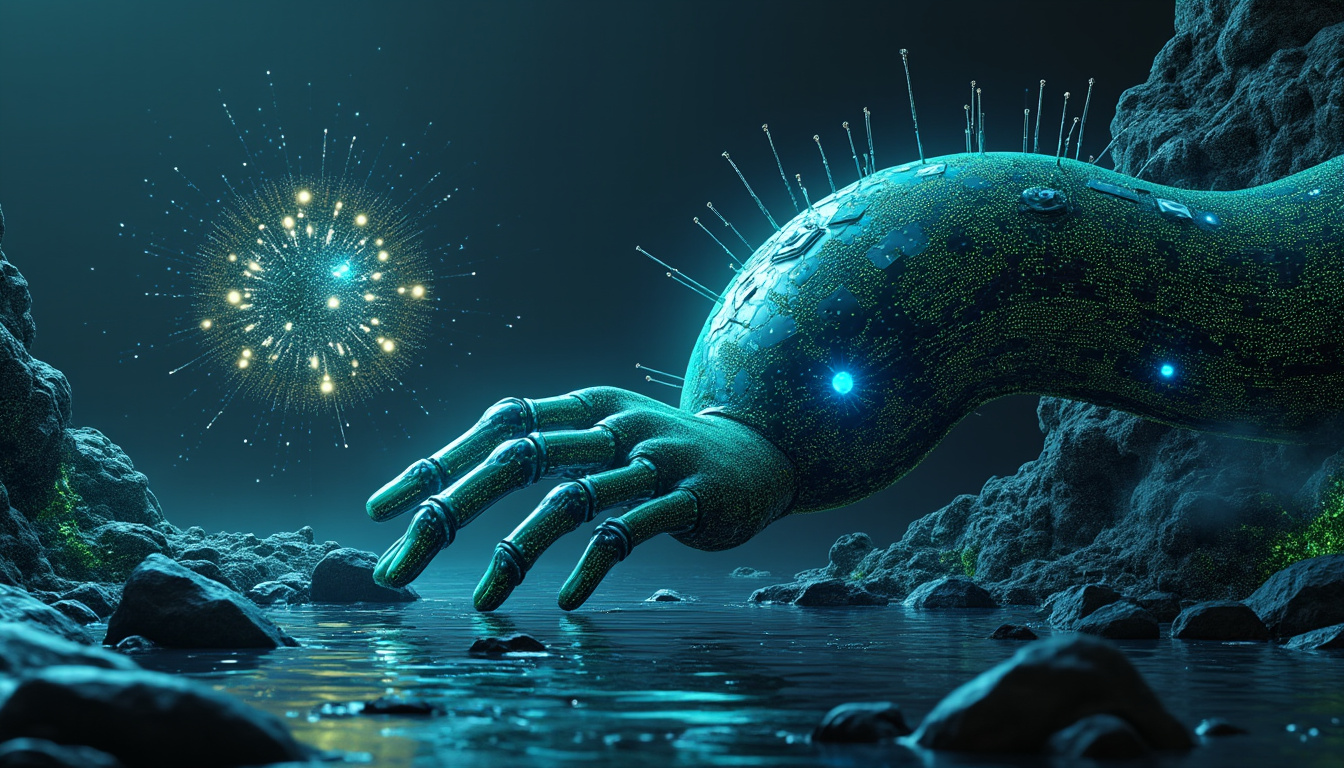
Perplexity tackles AI image creation, but beware of the pitfalls!
In a world where artificial intelligence (AI) is evolving at breakneck speed, Perplexity stands out by launching a captivating feature: AI image generation. This search engine, previously known for its well-developed answers, is now venturing into the realm of digital creation. However, this innovation raises essential questions about the ethics of AI and its potential pitfalls. As we explore a future filled with automated visual creation, it is imperative to examine the resulting challenges.
A Leap Into Visual Innovation: Perplexity Enters the World of AI Images
Perplexity is at the forefront of a revolution in image generation, offering users the ability to create visuals on demand. Integrating sophisticated design tools, this engine is based on well-known *intelligent systems*, notably the GPT-4.1 model, which has demonstrated its ability to generate not only text, but also impactful images. This new feature was quietly introduced, but it marks a turning point in the way we interact with search engines. By simply launching a query such as “generate an image of” followed by your idea, you can see visual creations emerge on your screen.
How Automatic Image Creation Works on Perplexity
For users, the process is surprisingly simple. Here are several steps that explain how automatic image creation works on Perplexity:
Access the Perplexity platform.
- In the search bar, enter your image creation request.
- Perplexity will then generate an image, without you having to adjust complex settings.
- For Pro subscribers, image creation is unlimited, offering freedom for creative exploration.
- This simplified access to visual creation is illustrated by the fact that even free users can generate up to three images per day. This demonstrates a commitment to making AI technology accessible to all, especially in a context where *digital creation* is booming. However, this may also hide issues that we need to address.
New AI Models: Diversity and Choice
Perplexity isn’t alone in playing in the AI space; it has also expanded its range of models to meet the diverse needs of users. New additions include Grok 3, developed by xAI, and o4-mini, a model from OpenAI focused on reasoning. This diversification strategy is crucial to meet a wider range of demands. AI Model
Proprietary
| Use | GPT-4.1 | OpenAI |
|---|---|---|
| Image and Text Generation | Grok 3 | xAI |
| Cognitive Responses | o4-mini | OpenAI |
| Simplified Reasoning | These developments promote a pragmatic approach with an emphasis on integrating the best available technologies, making Perplexity extremely competitive in the AI landscape. | The Ethical Challenges of AI Image Creation |
Despite this technological advancement, it is crucial to address the ethical implications of AI in image creation. The accessibility of automatic creation raises several ethical questions, particularly around the authenticity of the generated works and copyright.
The use of image-generating tools can lead to abuses, such as the creation of fake images that can be used for disinformation or manipulation. It is therefore imperative that users are aware of the limitations of these tools. Solving ethical issues related to AI
To navigate this new technological landscape, it is essential to implement clear strategies to regulate the use of AI:
Education around best practices for using generative AI.
Development of laws and regulations governing the use of digital creation.
Promotion of ethics in image creation and copyright protection.
- These actions will not only minimize the risks associated with AI image creation, but also ensure respect for the creative integrity of artists and authors.
- Examples of Successes and Failures in Generative Art
- It is interesting to observe how some AI image creation initiatives have already made an impression, both positively and negatively. Several examples demonstrate how generative art can be both a source of innovation and a slippery slope:
Case
Type
Result
| AI Artist A | Exhibition | Successful, recognized for their innovation |
|---|---|---|
| Project B | Controversial Creation | Criticized for Creative Plagiarism |
| These examples demonstrate the need for a regulated approach to the use of automatically generated AI creations, while highlighting the creative potential that lies within these innovations. | User Engagement: Sharing Your Experiences with Perplexity | With Perplexity’s rise in the field of image creation, it is crucial to invite users to share their experiences. This creates a community of exchange and learning around AI tools. Such a platform fosters the exchange of best practices and qualified opinions for the ethical and innovative use of these new technologies. |
Fostering an Ecosystem of Mutual Aid
Creating a space where users share their results and discuss their methods can benefit the community. Here’s how to encourage this engagement:
Create forums where users exchange tips and tricks.
Organize image creation challenges to stimulate collective creativity.
Organize webinars on best practices for using AI for digital creation.
- This type of collaboration can not only strengthen the community but also help establish ethical standards around the use of AI technologies.
- The Future of Perplexity and Visual AI
- As new technological advances approach, it’s exciting to imagine how Perplexity and other visual creation tools might evolve. The fusion of *generative art* and AI promises to transform the way we create and consume images.
By incorporating feedback and addressing ethical issues, Perplexity can become a key player in the field of visual AI. It could even inspire other companies to adopt similar approaches, thus fostering an ecosystem of innovation and responsibility.
Catégories : News & AI
Tags :